
When visiting prospects & customers, we sometimes get the question: “is your coffee fairtrade?” The answer is both a resounding “Yes!” and an equally resounding “No!”
The “No” has to do with the confusion surrounding the “fair trade/Fairtrade”-concept. We could fill several blogposts on the subject. For now, we’ll focus on the “Yes”! That is why, rather than (the trademarked brand) Fairtrade, we stress on sustainability.
What is Sustainability?
For us – at Apex- sustainability is a positive answer to the following question: “at current conditions, what are the chances that I, that my children, will be doing the same in 5 to 50 years time, and prosper?” A question every entrepreneur has to ask her- or himself eventually. Sustainability – in other words – is a credible drive towards prosperity, for everyone involved.
Sustainability for Growers
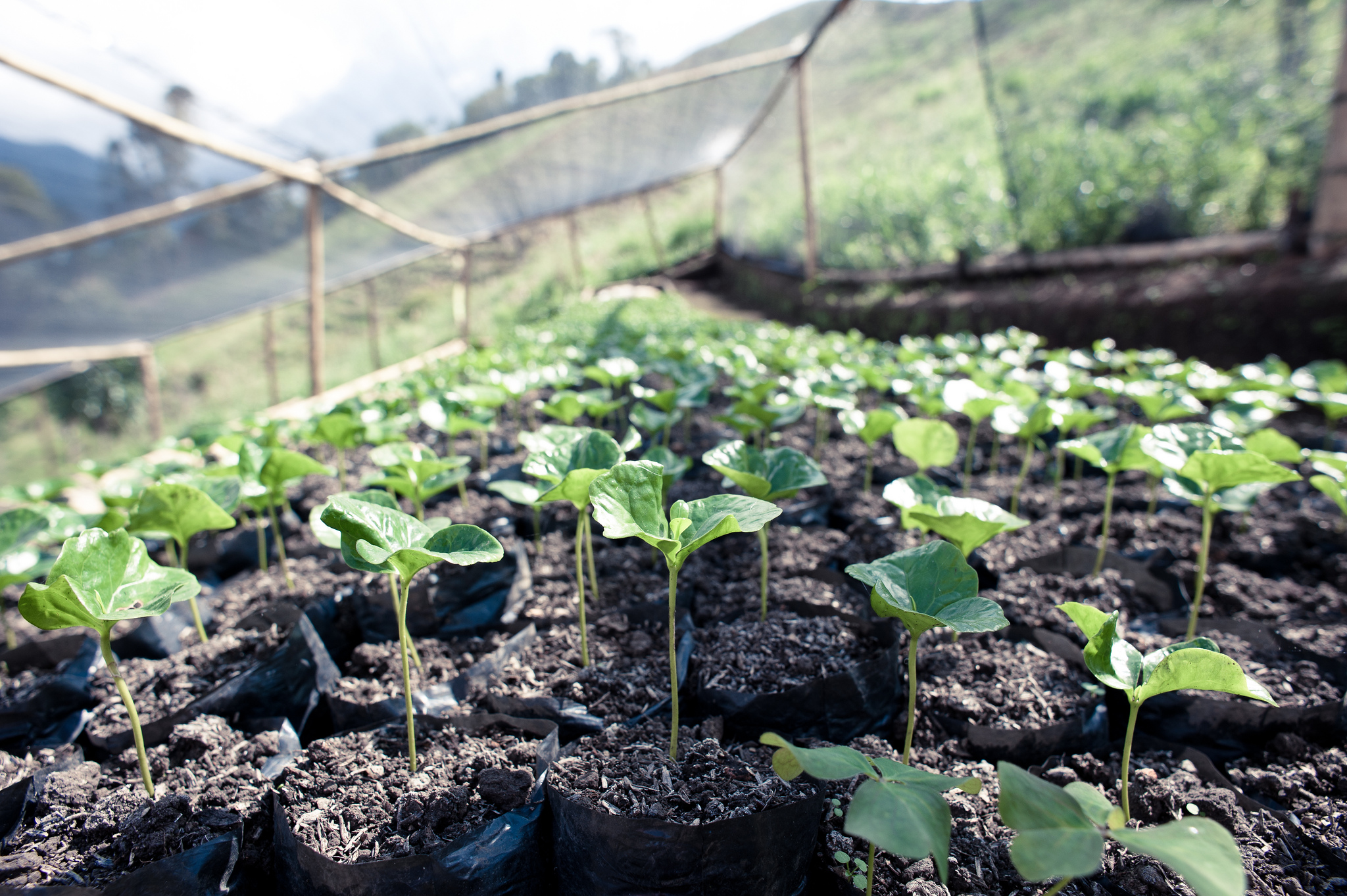
In coffee – the most-traded commodity worldwide next to oil – the sustainability question is evidently vital for growers and their labourers. At times, too many growers receive prices at substinence levels: 85% of people involved in growing coffee do not earn the minimum to support themselves. It hinders investment in their future, and heightens their vulnerability to environmental, economic or political instability. To prosper – before anything else – a farm needs (1) access to financing and said financing needs to come (2) at a reasonable cost. Once these two basic necessities have been fulfilled, the farm needs access to (3) education and tools. These 3 pillars are “conditio sine qua non” tom make for a sustainable future.
A good price not only offers the chance of prosperity. It also finances structures that help out in times of adverse conditions. Unfortunately, we have witnessed too many of these conditions in previous years. They are bound to persist.
That is why pricing is not the only answer. The environmental challenges confronted by growers demand overall changes. The whole chain – be that transport, packaging or consumption – needs to adapt.
Sustainability for the Consumer
For roasters and consumers, sustainability is both a moral and economic imperative. Economically, the alternative is simple. In an extreme scenario – coffee supply might grind to a halt. Political instability, rampant tree diseases and pests, topped up by a dramatically changing climate will drive farmers out of business, or to other businesses. In a less apocalyptic setting, both the price and the quality of your cup of coffee will swing ever more erratically.
There is no alternative for sustainable sourcing – and consuming. On one hand, we need to pay up to now to prevent further mayhem along the road. We also need to change our own behaviour.
But how do you know you’re working with a sustainable partner? For us, it all comes down to trust. Do you trust your supplier? Do you trust his or her way of working?
Sometimes you can. You have an intimate knowledge of your supplier’s way of working.
Sometimes you can’t. Not necessarily because of the nature of your customer. The size of your supplier makes it objectively impossible to take his or her word on it. That is why certification exists. An OK by an independent auditor, on a set of clear – pertinent – rules.
Sustainability at Apex Coffee
Sourcing
We take sustainability serious, both from a moral and (let’s not kid ourselves) from an economic point our view. We want our suppliers – and their suppliers and stakeholders – to prosper. In return, we ask for professionalism. We want to pay good prices for great coffee, not ludicrous prices for bad coffee. To this end, we believe in both trust, certification and our own efforts.
On growers level, we have started investing structurally into the Incofin investment fund, a Belgian based fund that specialises in those 3 pillars that make life sustainable for growers and for their environment: widening access to financing, lowering the cost of financing, and providing education and tools for better farm and land management.
We work with local, Belgian, roasters for our coffee: for the moment no bean is being roasted farther than 30km away from Brussels. We trust each and everyone of them to bits.
All of our specialty coffee suppliers work with specialty traders that, more often than not, work directly with the growers. Everybody in the chain, inluding Apex, pays premium prices to assure that everyone in that chain can live a good, prosperous life, while assuring a high quality product.
Packaging and logistics
Our coffee is roasted within a 30km-radius from Brussels. Not in France, not in the Netherlands, not anywhere else in Europe. Here, in Belgium, on Brussels’ doorstep, delivered to Brussels companies.
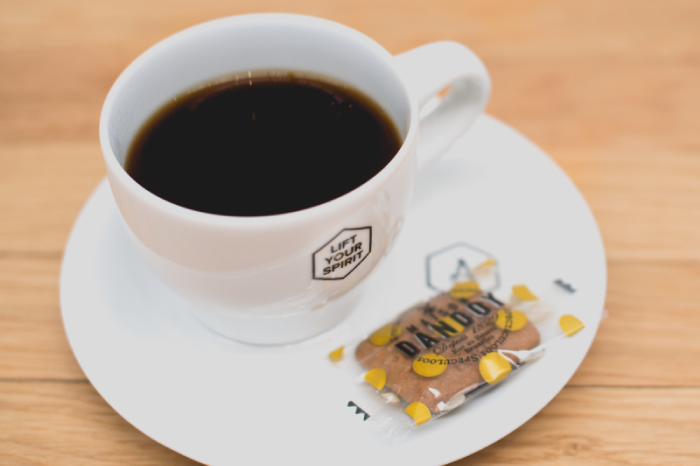
We take the same view on freshness. Fresh coffee is vital for a great coffee experience. You can go to great lengths to keep it fresh, by using the most absurd packaging methods. You can also just deliver it fresh. That’s what we do, days after roasting, every two to four weeks. That’s why we work with portion packs for filter coffee and espresso. Striking the right balance when it comes to coffee is hard, but we strongly believe that single serve packaging is a bridge too far.
We strive for eco-friendly delivery. Since January 2018 we’ve been delivering 80% of our office coffee by cargo-bike, the remaining 20% by Motorcycle, Car, and Parcel Services.
Machines & Accessoires
Be it espresso or filter coffee, we work with machines that do not only produce top quality coffee, they have all been made to stand the test of time. Our Moccamasters are hand-built jewels that last a lifetime, while Jura is a pioneer of energy efficient, durable office-grade espresso machines.
That’s why our sugar and milk are certified. That’s why our paper cups and stirrers are recyclable. That’s why we work with local suppliers – because Belgium is the centre of good food, and there’s plenty of amazing suppliers a bike-ride away.
So, in answer to our title: Our coffee is not Fairtrade, our Coffee is Sustainable.
It is both a challenging and rewarding path, but we’re happy to take it together with our suppliers and our customers!
Would you like to get some great tasting sustainability in your Brussels’ Office? Contact us!
coffee growing photo credits to: Dennis Tang